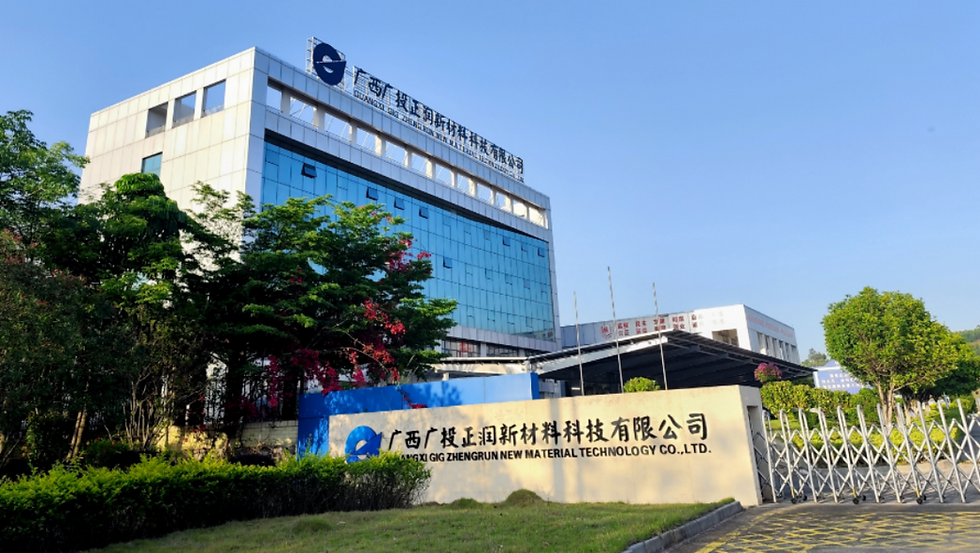
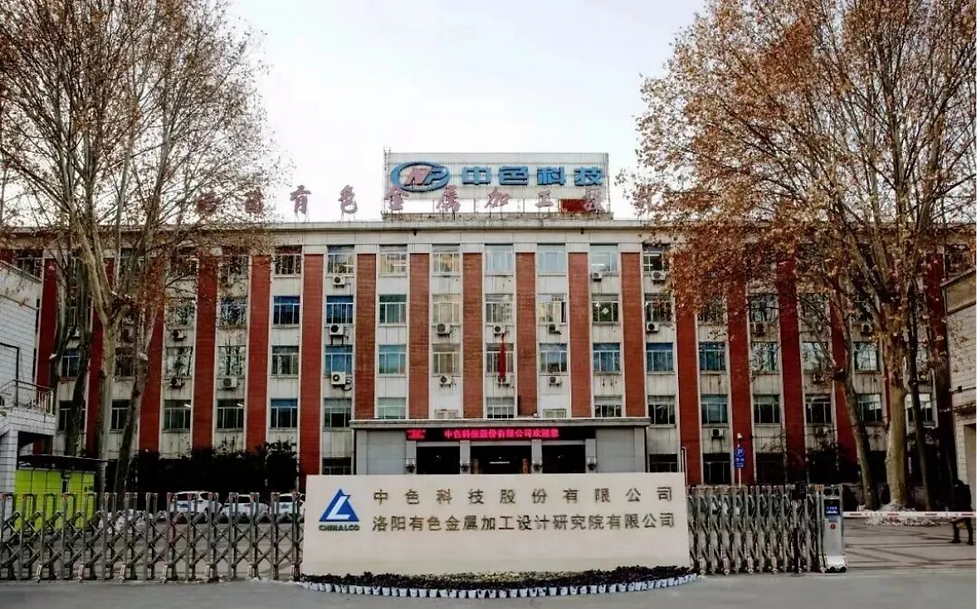
Plate Heat Exchanger & Process Cooling Solution for North China Aluminum’s Battery Foil Production Facility
North China Aluminum New Materials Technology Co., Ltd., a subsidiary of China Minmetals Corporation, is a leading manufacturer of high-performance aluminum battery foil for the rapidly growing electric vehicle (EV) and energy storage industries. The facility has an annual production capacity of 51,000 metric tons of battery foil, supplying major global battery manufacturers and supporting the expanding demand for advanced lithium-ion battery materials.

As part of a major facility relocation and production expansion, the company upgraded its rolling oil recovery system to improve process efficiency, reduce VOC emissions, and support the increasingly stringent environmental and quality requirements of ultra-thin battery foil manufacturing.
To achieve these objectives, the project implemented a comprehensive process cooling solution featuring high-efficiency plate heat exchangers and industrial process chillers, providing precise temperature control throughout the rolling oil recovery and regeneration process.
The Challenge
Manufacturing ultra-thin aluminum battery foil requires exceptional process stability. Rolling oil temperature directly affects rolling accuracy, product surface quality, lubricant performance, and overall production efficiency.
During production expansion, North China Aluminum needed to relocate and modernize its entire rolling oil recovery system without disrupting production performance or compromising environmental compliance.
The upgraded system was required to:
* Improve rolling oil recovery efficiency
* Maintain precise process temperature control
* Reduce rolling oil consumption
* Minimize VOC emissions
* Support continuous production of ultra-thin battery foil
* Integrate seamlessly with the plant’s digital manufacturing platform
* Improve overall energy efficiency while reducing operating costs
Meeting these objectives required an advanced heat transfer solution capable of supporting both production quality and environmental sustainability.
Our Solution
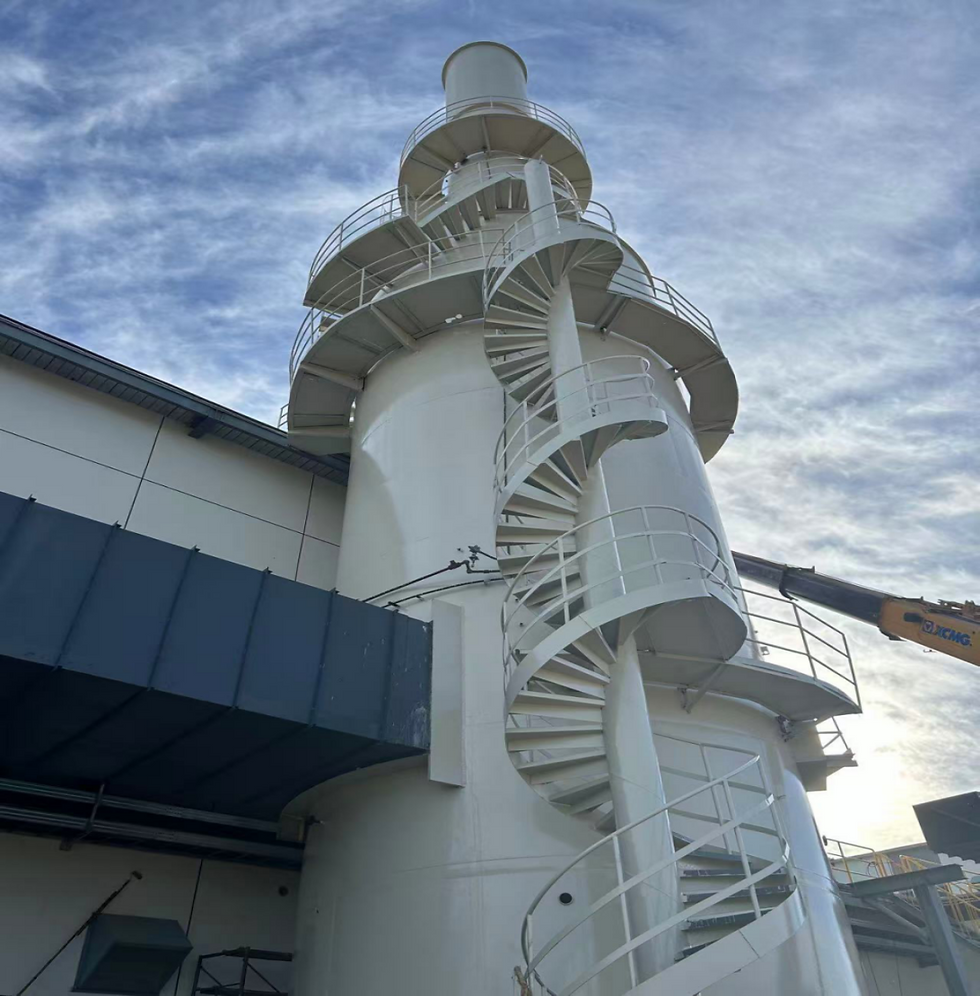
To support the upgraded production line, the project deployed custom plate heat exchangers together with industrial process chillers as the core components of the rolling oil recovery system.
The high-efficiency plate heat exchangers utilize a counterflow heat transfer design, maximizing thermal efficiency while maintaining a compact footprint. By precisely controlling process fluid temperatures, the heat exchangers improve the performance of oil purification, condensation, regeneration, and recovery processes, ensuring stable operating conditions throughout continuous rolling operations.
The industrial process chiller provides a reliable supply of low-temperature cooling water, maintaining consistent process temperatures for oil mist condensation, filtration, degassing, and solvent recovery. Stable cooling performance significantly improves the efficiency of the entire oil recovery process while reducing overall energy consumption.
Beyond supplying equipment, the project also included the relocation, integration, and optimization of the complete rolling oil recovery process—including oil absorption, degassing, filtration, desorption, and regenerated oil circulation—creating a fully integrated closed-loop process.
To support intelligent manufacturing, the cooling system was designed for seamless integration with the facility’s MES and ERP platforms, enabling real-time monitoring, automated operating adjustments, and centralized production management.
Equipment Supplied
* Application: Battery Foil Manufacturing Process Cooling
* Products Supplied: Plate Heat Exchangers and Industrial Process Chillers
* Process Application: Rolling Oil Recovery and Regeneration
* Heat Transfer Design: High-Efficiency Counterflow Plate Heat Exchanger
* Cooling Medium: Process Chilled Water
* Key Features: Precision Temperature Control, Energy-Efficient Cooling, Closed-Loop Process Integration
* Automation: MES / ERP Integration and Intelligent Process Monitoring
Results
Following commissioning, the upgraded process cooling system delivered significant improvements in manufacturing efficiency, environmental performance, and operational reliability.
Project benefits include:
* Improved rolling oil recovery efficiency
* Reduced rolling oil consumption and raw material costs
* Lower VOC emissions, supporting compliance with stringent environmental regulations
* Stable temperature control throughout battery foil production
* Reliable support for annual production capacity of 51,000 metric tons
* Reduced overall process energy consumption
* Improved equipment reliability and continuous production performance
* Intelligent monitoring through integration with digital manufacturing systems
The completed system enables North China Aluminum to maintain consistent production quality while supporting both operational efficiency and long-term sustainability objectives.
Why This Project Matters
Demand for lithium-ion batteries continues to accelerate worldwide, driving rapid expansion in battery foil manufacturing capacity. As production speeds increase and foil thickness continues to decrease, precise process temperature control becomes increasingly important for maintaining product quality, maximizing rolling oil recovery, and reducing operating costs.
The North China Aluminum project demonstrates how advanced plate heat exchanger technology and industrial process chillers can improve both manufacturing performance and environmental compliance. By combining high-efficiency heat transfer, intelligent automation, and closed-loop oil recovery, the project provides a practical reference for manufacturers of battery materials, aluminum foil, copper foil, and other precision rolled products.
For companies investing in next-generation battery materials, efficient process cooling is no longer simply a utility system—it has become a critical component of production quality, environmental performance, and overall manufacturing competitiveness.