Precision Laboratory HVAC Retrofit for the China Academy of Railway Sciences Test Center
The China Academy of Railway Sciences Test Center is a specialized research and testing facility dedicated to the development and validation of critical railway technologies, including braking systems, train control systems, and other high-precision rail transportation components.
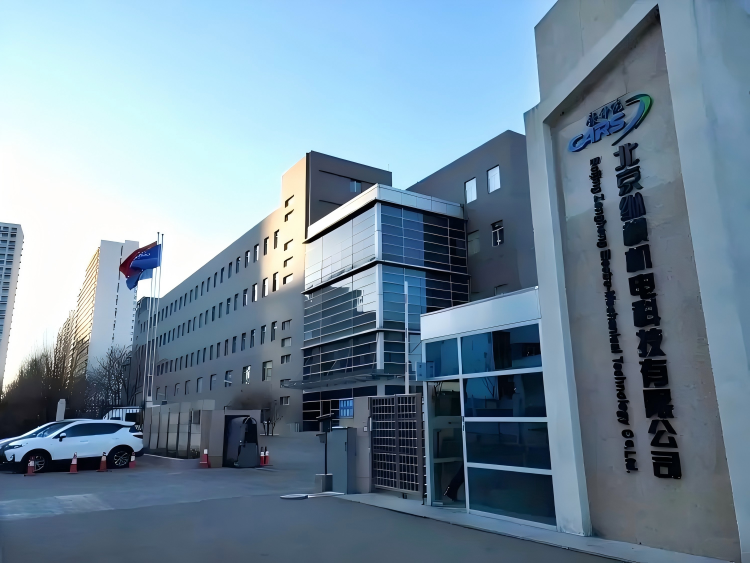
Because laboratory testing requires stable environmental conditions to ensure accurate and repeatable results, the facility’s HVAC system plays a vital role in supporting research operations. However, the existing system had become increasingly inefficient due to aging equipment, resulting in higher energy consumption and reduced environmental control accuracy.
To improve both operational performance and energy efficiency, the facility undertook a comprehensive HVAC retrofit using six custom-designed HVAC heat exchanger systems. The upgraded solution provides precision temperature control, intelligent automation, and reliable freeze protection, creating a stable indoor environment suitable for year-round laboratory operation.
The Challenge
Research laboratories demand significantly tighter environmental control than conventional commercial buildings. Temperature fluctuations, unstable humidity levels, or equipment downtime can directly affect testing accuracy, equipment reliability, and research outcomes.
The original HVAC system no longer met the facility’s performance requirements, presenting several operational challenges:
* Aging equipment with declining energy efficiency
* Inconsistent indoor temperature control
* High operating and maintenance costs
* Limited automation and system monitoring
* Risk of pipe freezing during Beijing’s severe winter conditions
* Difficulty maintaining stable environmental conditions for precision testing
The project required an HVAC solution capable of delivering laboratory-grade environmental control while improving long-term energy efficiency and operational reliability.
Our Solution

Following a comprehensive engineering assessment, the facility implemented six custom HVAC heat exchanger systems specifically designed for laboratory applications requiring precise environmental control.
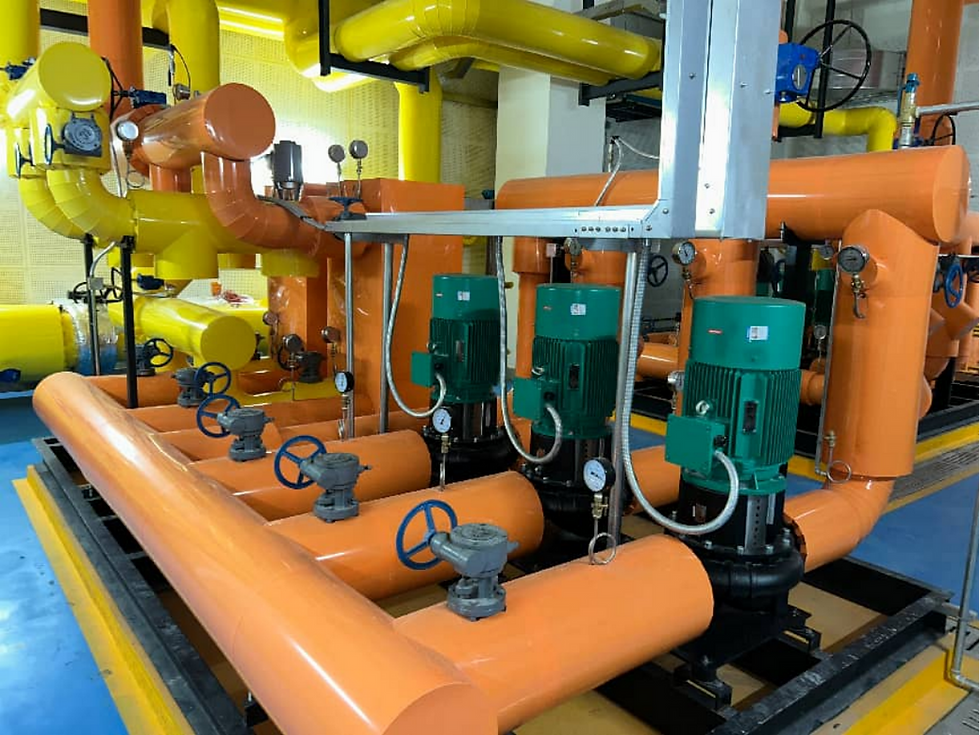
Each system integrates a high-efficiency plate heat exchanger, variable-speed circulation pumps, intelligent control systems, and a fully automatic pressure maintenance and water make-up unit within a compact modular package.
One of the project’s most important design features is the use of a glycol-water solution as the primary heat transfer medium. With its low freezing point and excellent freeze protection characteristics, the glycol solution enables reliable operation throughout Beijing’s cold winters while protecting piping systems from freeze damage during prolonged low-temperature conditions.
An intelligent automation platform continuously monitors outdoor weather conditions and indoor thermal loads, automatically adjusting primary-side control valves and secondary-side pump speeds to maintain optimal operating efficiency. The fully automated control strategy enables unattended operation while significantly reducing routine maintenance requirements.
By combining high-efficiency heat transfer with variable-speed pumping and intelligent control algorithms, the upgraded system delivers substantially improved energy performance compared with the previous installation.
Perhaps most importantly, the new HVAC system achieves temperature control accuracy within ±1°C, providing the stable environmental conditions required for precision laboratory testing and sensitive research equipment.
Equipment Supplied
* Application: Laboratory HVAC Retrofit
* HVAC Heat Exchanger Units: 6 Custom Systems
* Technology: Plate Heat Exchanger HVAC Solution
* Heat Transfer Medium: Glycol-Water Solution
* Control Features: Intelligent Variable-Speed Pump Control
* Monitoring: Fully Automated HVAC Management
* Key Features: Freeze Protection, Precision Temperature Control, Modular Design
* Temperature Control Accuracy: ±1°C
Results
Following completion of the retrofit, the upgraded HVAC system significantly improved both laboratory performance and operational efficiency.
Project benefits include:
* Precision temperature control within ±1°C
* Stable environmental conditions for laboratory testing
* Improved HVAC energy efficiency
* Reliable freeze protection during severe winter conditions
* Reduced operating and maintenance costs
* Fully automated unattended operation
* Improved system reliability and operational stability
* Enhanced protection for sensitive testing equipment
The modernized HVAC system now provides researchers with a dependable and energy-efficient laboratory environment capable of supporting advanced testing and product development activities throughout the year.
Why This Project Matters
Laboratories, research centers, and testing facilities require HVAC systems that deliver far more than occupant comfort. Stable environmental conditions are essential for maintaining testing accuracy, protecting sensitive equipment, and ensuring the reliability of research results.
The China Academy of Railway Sciences Test Center demonstrates how custom plate heat exchanger systems can successfully combine precision environmental control, intelligent automation, and glycol freeze protection into a single integrated HVAC solution.
The project provides an excellent reference for laboratories operating in cold climates, where freeze protection and environmental stability are equally critical. Whether applied to research laboratories, pharmaceutical facilities, semiconductor manufacturing, cleanrooms, or industrial testing centers, intelligent HVAC heat exchanger systems can significantly improve operational reliability while reducing energy consumption and long-term operating costs.