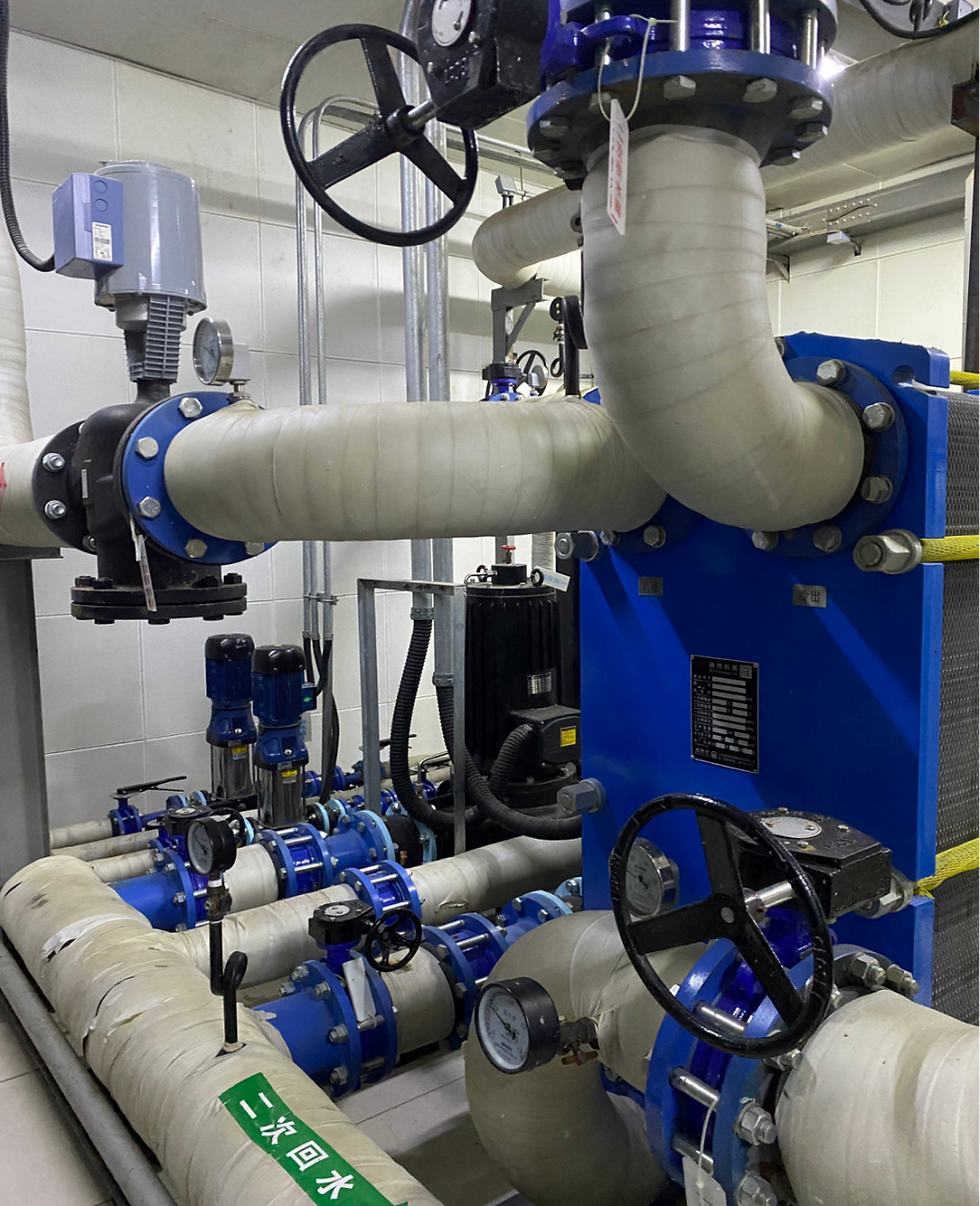
Intelligent District Heating Solution for RiseSun Deyuan Jingyuan Residential Community
RiseSun Deyuan Jingyuan is a modern residential development in Handan, China, designed to provide residents with a comfortable, energy-efficient living environment supported by high-quality infrastructure. The project serves approximately 200,000 square meters (2.15 million sq. ft.) of district-heated residential space across multiple apartment buildings and community facilities.
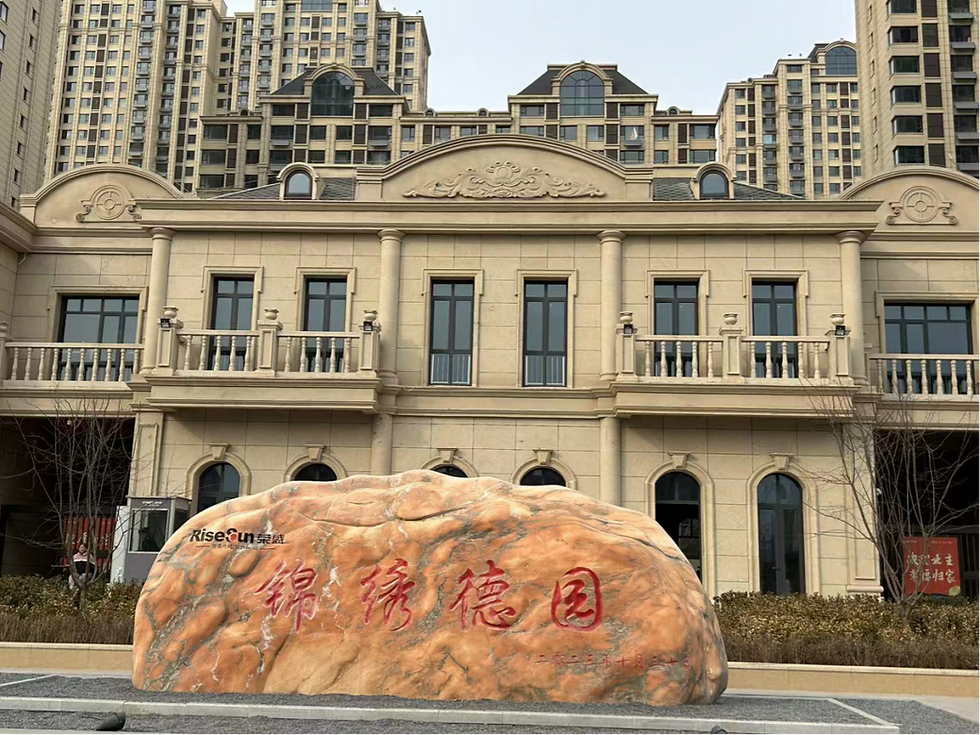
From the earliest stages of project planning, the developer prioritized energy efficiency, operational reliability, and intelligent system management. To achieve these objectives, the project selected an intelligent plate heat exchanger system as the core component of its district heating network, delivering high-performance heat transfer alongside advanced automation and remote monitoring capabilities.
The Challenge
Modern residential developments require district heating systems that deliver consistent indoor comfort while minimizing energy consumption and operational costs. One of the greatest challenges is maintaining peak efficiency as outdoor temperatures and heating demand fluctuate throughout the season.
Traditional heating systems often operate inefficiently during transitional weather and partial-load conditions, resulting in unnecessary energy consumption, higher operating costs, and increased maintenance requirements.
For RiseSun Deyuan Jingyuan, the project team sought a solution capable of:
* Maintaining stable heating performance under changing weather conditions
* Optimizing energy efficiency throughout the entire heating season
* Reducing manual operation and maintenance workloads
* Providing real-time operational visibility
* Improving long-term system reliability
* Lowering overall lifecycle operating costs
The goal was to implement a district heating solution that combined intelligent automation with dependable long-term performance.
Our Solution
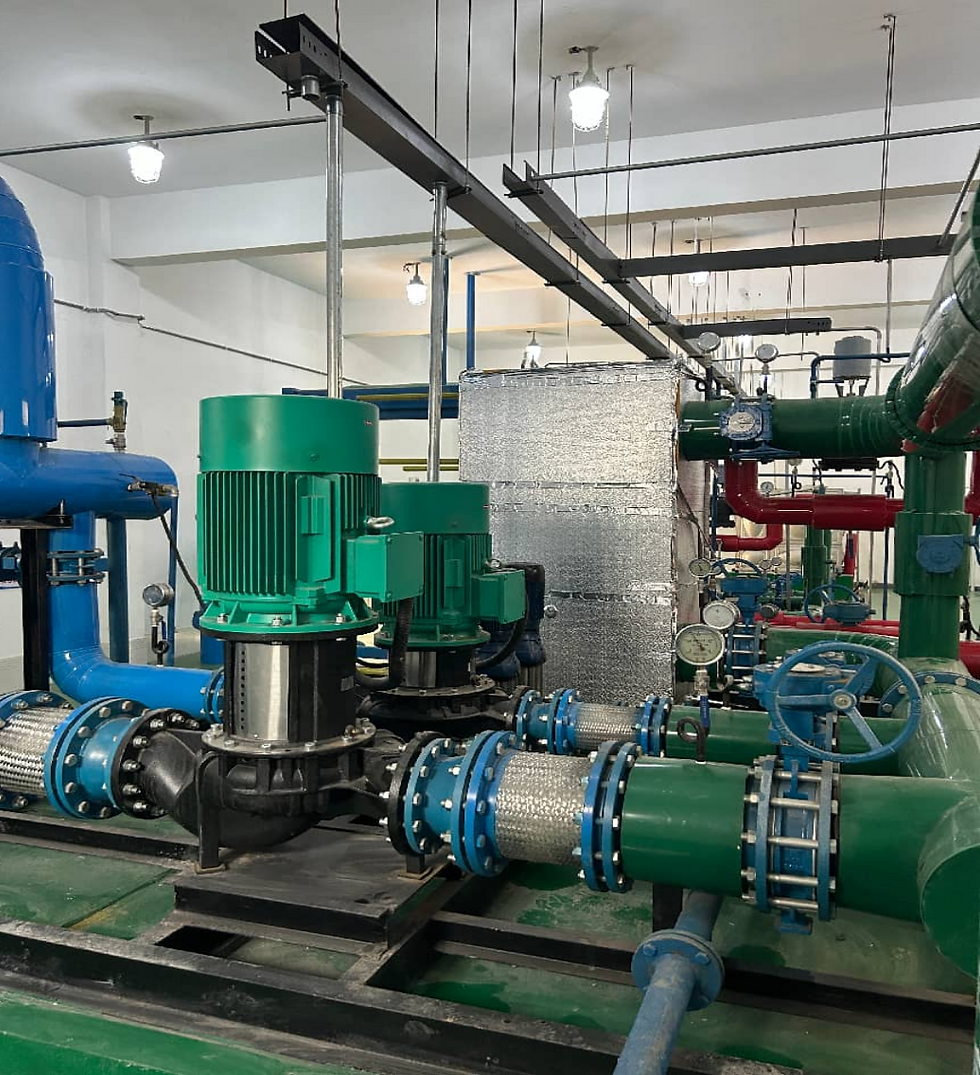
The project adopted an intelligent plate heat exchanger system equipped with advanced load-responsive control technology and an integrated remote management platform.
Using real-time operating data, the system continuously adjusts flow rates and heat transfer performance according to outdoor temperature and building heating demand. This intelligent control strategy allows the system to maintain optimal operating efficiency not only during peak winter conditions but also throughout transitional seasons when heating loads are significantly lower.
A centralized remote monitoring platform enables operators to supervise system performance, analyze operating data, receive automated fault notifications, and make operational adjustments without requiring constant onsite personnel. The unattended heat exchange station significantly reduces routine inspection requirements while improving operational safety and response times.
To further enhance efficiency, the system incorporates a compact modular design with optimized low-resistance flow channels. These features simplify transportation, installation, and future maintenance while reducing pipeline pressure losses and pumping energy consumption.
Together, the intelligent controls, remote monitoring capabilities, and energy-efficient hydraulic design create a highly reliable district heating solution capable of delivering long-term operational savings.
Equipment Supplied
* Application: Residential District Heating
* Heating Service Area: 200,000 m² (2.15 million sq. ft.)
* Technology: Intelligent Plate Heat Exchanger System
* Control System: Automatic Load-Based Flow and Temperature Optimization
* Monitoring: Integrated Remote Monitoring and Fault Diagnostics
* Operation Mode: Unattended Heat Exchange Station
* Design Features: Modular Construction and Low-Resistance Hydraulic Design
Results
Following commissioning, the intelligent heating system delivered measurable improvements in both energy performance and operational efficiency.
Key project outcomes include:
* Improved seasonal heating efficiency across varying operating conditions
* Reduced overall energy consumption
* Stable indoor comfort throughout the residential community
* Lower operating and maintenance costs
* Real-time monitoring and automated fault detection
* Reduced onsite labor requirements through unattended operation
* Simplified maintenance resulting from modular equipment design
* Improved long-term system reliability
The completed district heating system provides residents with dependable heating while enabling operators to manage the network more efficiently through intelligent automation and remote system management.
Why This Project Matters
As district heating operators seek to improve efficiency while reducing operating costs, intelligent monitoring and automated system optimization are becoming increasingly important. Modern plate heat exchanger systems now offer far more than efficient heat transfer—they provide the operational intelligence needed to maximize performance throughout the heating season.
The RiseSun Deyuan Jingyuan project demonstrates how intelligent controls, remote monitoring, and load-responsive operation can significantly improve district heating performance while reducing maintenance requirements and energy consumption. The project serves as a valuable reference for residential developments seeking to modernize heating infrastructure without compromising occupant comfort.